
We’ve discussed quite a few Razer gaming peripherals in our blog and it isn’t a secret that they manage to outperform many of their competitors with their constant innovation. What we are about to review today is also a result of their driven innovative thinking. A single handed gaming keyboard is truly a strange idea to come up with at first impression. However, you will see how it complements the average gamer more than a regular keyboard. Razer Tartarus V2 vs Pro is a hot topic among MMO gamers and we will elaborate on that topic and provide a clear idea of if it suits you or not. So stick with us and read to the end to determine if these innovative gaming keypads are for you.
Razer Tartarus V2 vs Pro: A General Introduction
| Razer Tartarus V2 | Razer Tartarus Pro | |
| Weight | 340 grams | 363 grams |
| Dimensions | 59.6 mm x 150.0 mm x 203.0 mm | 63.5 mm x 151.0 mm x 202.0 mm |
| Switch Type | Razer Mecha-Membrane Switches | Razer Analog Optical Switches |
| Polling Rate | 1000Hz Ultrapolling | 1000Hz Ultrapolling |
| Dual-Function Keys | No | Available |
| Programmable Keys | 32 | 32 |
Listed above are the essential specs required for comparison. In addition, the Pro version features adjustable actuation while the V2 does not. This is the key feature that distinguishes the Pro from the V2. The actuation point is when the keystroke is identified on the computer after you press. The Pro’s adjustable actuation is the key selling point. For gamers this means that they can adjust the keystroke force to get the keystroke to input resulting in faster responses. Apart from that, customisable RGB, adjustable wrist rests, unlimited user profiles and 2 year warranty is common for both.
To be totally honest and upfront, the only point we have to make on the two gamepads is the difference in actuating points. So bare with us as we elaborate it. Mecha-membrane switches of the Razer Tartarus V2 exhibit a digital behavior. Meaning it is either 1 or 0 and a certain fixed force is required to get the input. The Razer Tartarus Pro is the latest upgraded version. As we mentioned before, Razer analog optical switches register various levels of applied pressure. Kind of similar to an analog joystick-like experience on a keypad. This is especially handy for gamers who can adjust the pressure of keys as they wish to enhance their gaming level.
Design And Build Quality
You might have noticed that dimensionally both the keypads are almost identical, although the Pro is a bit heavier. Both of them have 19 keys and a scroll wheel on the front, an 8-way directional thumbpad, adjustable wrist rest, and highly-customisable Razer Chroma RGB lighting. Ergonomically, both are identical. The wrist rest is made up of soothingly soft material that enables hours of usage without a feeling of discomfort. Also they can be adjusted to 2 different positions and are detachable as well. Overall, the design of both the peripherals are parallel next to a gaming setup, especially with the RGB. Classic black is the only colour the Tartarus V2 is available in, while the Pro comes in mercury white as well.
Switch Type
As mentioned after the specs, the key type is the sole differentiating factor here and the reason for the premium price tag of the Tartarus Pro. The other special feature in addition to the adjustable actuation is the dual-functionality. This means the same button can have two functions programmed and each can be activated depending on how you press the key. The example that Razer uses to clarify this feature is you can press the button halfway to walk, and fully to run. The actuation setting may or may not be fun to work with depending on your nature.
With adjustability enabled, you can make the button go to both ends of sensitivity or firm nature. So either your input is registered with a soft touch or a hard press. And it works for both the primary actuation point and the secondary actuation point. This functionality is quite similar to the pressure sensitive buttons of a console controller. You can utilize this feature in games such as Fortnite, Rocket League and World of Warcraft.

The Tartarus V2 switch has a crisp tactile feedback and a nice soft touch. These mecha-membrane switches are a combination of mechanical switches and membrane rubber. Please note that these key types are further upgraded from traditional mechanical switches. They do have the mechanical switch mechanism consisting of the stem and spring, plus the soft touch of membrane keyboards.
Now don’t be disheartened by the reduced sophistication of the keys in this one. Remember you still can have a load of fun with these keys as well. Since the buttons are programmable, you can create unlimited length macros. If you are engaged in graphics designing, coding and pretty much anything other than gaming even as elementary as office work, this keypad can be a good complement to your convenience.
Razer Synapse 3 Software
You need to have the Razer Synapse 3 app in usage for operations customizing because neither keypads have built-in memory. This app is responsible for RGB lighting, key actuation, macro key setup and syncing with other Razer devices. Toggle between 16.8 million colors on the RGB spectrum and sync your devices to other Razer peripherals with Razer Synapse.
Razer Tartarus V2 review
Now that we’ve introduced both the keypads, let us come to a conclusion. For the sake of this post we will not compare these two products with other keyboards. Instead we will try to zero in on a single choice for our gamers. The Tartarus V2 is ergonomic, aesthetic and packed with functionality. However, note that gaming keypads are still a learning curve. Here’s the honest take from gamer’s perspectives and from people with professional backgrounds like creators. Hand sits in a much more natural position than on a flat keyboard, and the adjustable palm rest makes a huge difference. After long gaming sessions, the wrist and hand fatigue is significantly less. Having all the abilities mapped to the thumb keys and using the thumbstick for movement feels incredibly fluid. The react times are propelled because you never have to lift the hand or search for keys. Being able to create different profiles for different games and program complex macros into a single button is a massive advantage, especially for key bind-heavy games like World of Warcraft.
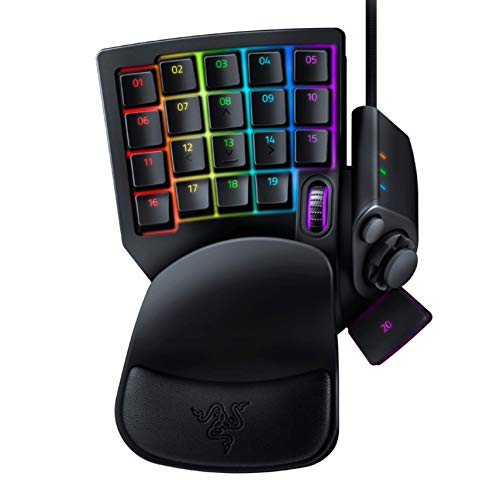
On the flip side though, again, it feels incredibly awkward and you’ll likely end up pressing the wrong keys for a while. Your muscle memory from years of using a keyboard is the hurdle. You have to be patient and committed to retraining your brain. The Razer Synapse software is powerful when it works, but complaints are there saying it’s so buggy. Profiles fail to load, settings randomly reset, and it sometimes conflicts with other software. For a few, it is the most frustrating part of owning this device. We’ve also read countless reviews from other users whose thumbpads became unresponsive or keys stopped working after less than a year. It doesn’t feel as durable as it should for the price. Regardless, the positive outweighs the negative. So it is an overall winner if you are a curious learner.
Razer Tartarus Pro review
Just like we mentioned at the beginning of the post, if you believe that dual-functionality and adjustable key actuation will enhance your gameplay, then by all means pay the extra money and go for it. After all, innovation never stops and we cannot avoid it no matter how old school we are. So if you are hoping to take your gaming skills to the next level, check out the Pro version and if you already have do share your thoughts on its performance on the actuations and dual functionality.
